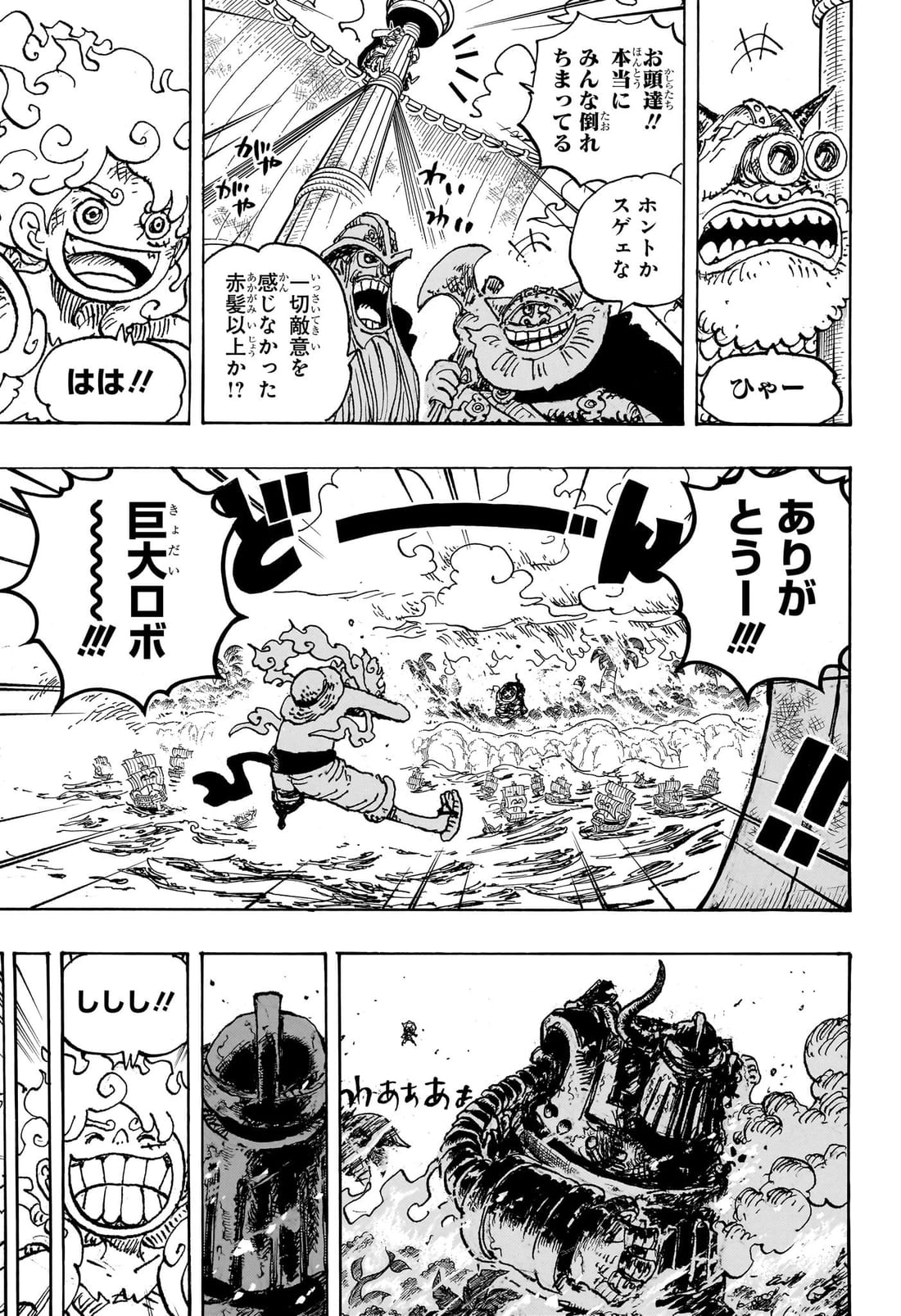
Manga in Arabic,
the way it should be read
Qaari translates manga, manhwa and manhua in place on the page you are already reading. Letters join, text runs right to left, and the translation stays live text — never pixels burned into the image.
It isn't over yet
Don't open that door
Will we make it in time?
This is real text on the page. Select it. Copy it. Restyle it.
Everything you need to read manga in Arabic
No setup, no steps. Open a chapter, press one button, read.
Read where you are
The translation appears over the page you are already reading. No uploads, no downloads, no switching tabs.
Arabic done right
Letters join, text runs right to left — the way Arabic is actually written, not scattered characters.
Text you can select
The translation is real text: select it, copy it, look up any word you don't know.
Names that hold
A character is spelled the same way in chapter 1 and chapter 400, however long the series runs.
Your font, your size
Make the text bigger or change the typeface any time — instantly, with no re-translation.
Clean artwork
The translation replaces the text inside the balloon only, without painting over the art around it.
Manga, manhwa, webtoons
Japanese, Korean and Chinese pages — and long vertical scrolling strips too.
Clear about what is sent
Detection and reading happen on your machine. Only translation sends the text and a reduced copy of the page, and we keep neither.
Arabic you can actually read
Run any other tool on an Arabic page and you see it immediately: letters come apart, words sit backwards. With Qaari you read an ordinary Arabic sentence — the way a human translator would have written it.
لم ينتهِ الأمر بعد
Disconnected letters · reversed order
لم ينتهِ الأمر بعد
Joined letters · correct direction
This is not a small technical detail — it is the difference between a page you read and a page you decipher.
Live text, not pixels
Every other tool in this category burns the translation into the image. At that moment the translation becomes a picture: it cannot be selected, cannot be copied, cannot be read by a screen reader, and its font cannot change without re-running the entire pipeline.
Select and copy
The translation is actual text on the page. Drag across it like any other text.
Accessible
A screen reader reads the translation aloud. A burned-in image is silent.
Restyle instantly
Size, family and weight change live — no re-detection, no re-translation.
Refits itself
Binary search for the largest font size that fits the balloon, on both axes.
It isn't over yet
Don't open that door
Will we make it in time?
Names that hold across chapters
Every other tool translates a page in isolation. So a character is spelled one way in chapter 1 and another way in chapter 40. Qaari keeps a per-series glossary and carries it into every request.
An established rendering is never rewritten. Once a name has a form, later chapters reuse it even when the model would now word it differently.
Where Qaari actually differs
The category is crowded and the hard parts are mature open source. These are the differences that survive testing.
| Qaari | Other tools | |
|---|---|---|
Translation stays live textonly | ✓Yes — selectable, copyable, screen-reader readable | —No — burned into the image |
Name consistency across chaptersonly | ✓Per-series glossary, established forms locked | —Each page translated in isolation |
Change the font after translatingonly | ✓Instant, no reprocessing | —Requires a full re-run |
Arabic shaping and direction | ✓Browser engine — correct by default | —Mixed; some handle it, many do not |
Pages leave your machine | ✓Only extracted text is sent to translate | —Usually the full image is uploaded |
Accuracy stated with a method | ✓18/18 across three pages, gaps published | —Marketing figures with no methodology |
And where it does not win — yet
OCR on CPU takes about 13 seconds per page and needs a local server running. Cloud tools start faster and install more easily. Recall on hand-drawn sound effects is still poor. We would rather say so now than have you find out after paying.
Exactly what gets sent
Balloon detection, text recognition, erasure and rendering all run on your machine. Only translation sends anything: the extracted text and a reduced copy of the page (1024px on its longest edge), because tone and speaker cannot be recovered from words alone. Neither is stored once the request finishes.
- ✓Host access is requested per site at the moment of use, never blanket
- ✓The glossary lives in your browser, not on our servers
- ✓Default fonts are OFL-licensed or system-provided
Qaari has not launched yet
The engine works and the Arabic is proven. What remains is accounts, billing and shipping the extension. Leave your email and you will be among the first to try it.
No marketing. Launch notice only.
Questions you should be asking
It works on pages that serve images directly. Host access is requested per domain the first time you use it there, rather than a blanket grant across all sites — which is also the single most common reason extensions of this kind stall in Chrome Web Store review.